


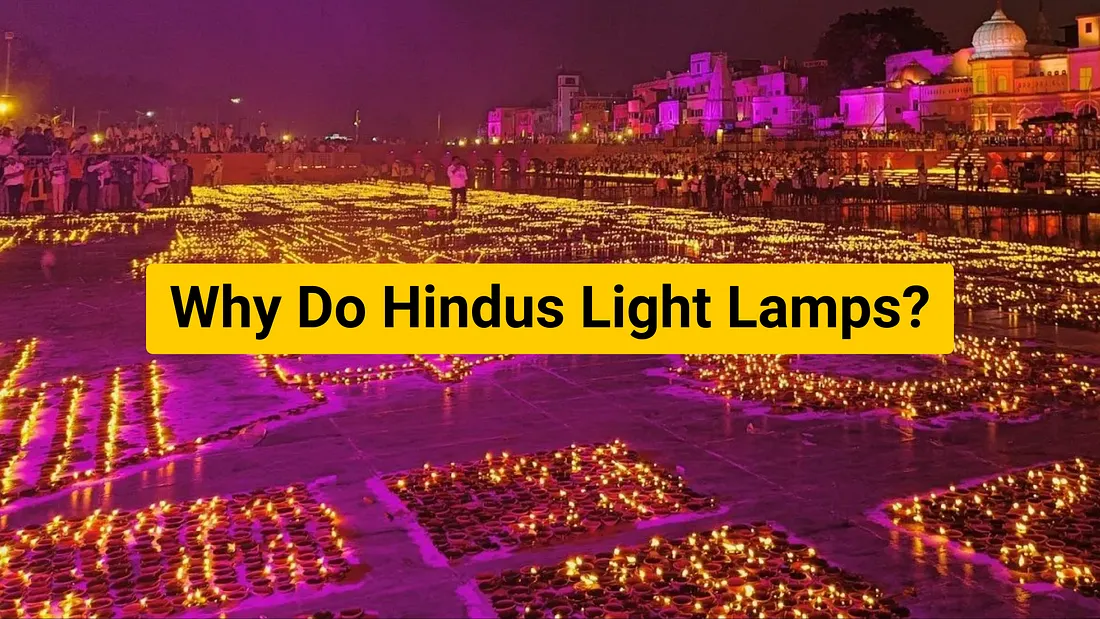
Have you ever wondered why Hindus light lamps? Whether it’s a simple oil lamp glowing in a temple or a row of radiant diyas illuminating homes during Diwali, the tradition of lighting lamps is deeply ingrained in Hindu culture. You might think it’s just about adding a bit of light, but there’s much more to this age-old practice. In Hinduism, lighting a lamp symbolizes enlightenment, purity, and victory of good over evil. It’s a powerful ritual that has transcended generations, connecting us with divine energy.
So, where did this practice come from, and why do Hindus continue to light lamps every day?
Spoiler alert: the tradition goes back thousands of years, and while many are familiar with the joyous Diwali lamps, this custom runs much deeper, offering spiritual and environmental benefits that are often overlooked.
Get ready to dive into the illuminating world of Hindu lamp-lighting traditions, and discover why it’s about more than just lighting up your home — it’s about lighting up your soul!
A Light in the Darkness: The Origins of the Tradition
The practice of lighting lamps didn’t start yesterday, or even a hundred years ago. In fact, this tradition can be traced back to the time of Lord Ram in ancient India. According to the Ramayana, after Lord Ram, Sita, and Lakshman returned from 14 years of exile (known as banwaas), the people of Ayodhya celebrated their homecoming by lighting oil lamps in every house. These lamps, or diyas, were a symbol of joy, hope, and the victory of light over darkness.
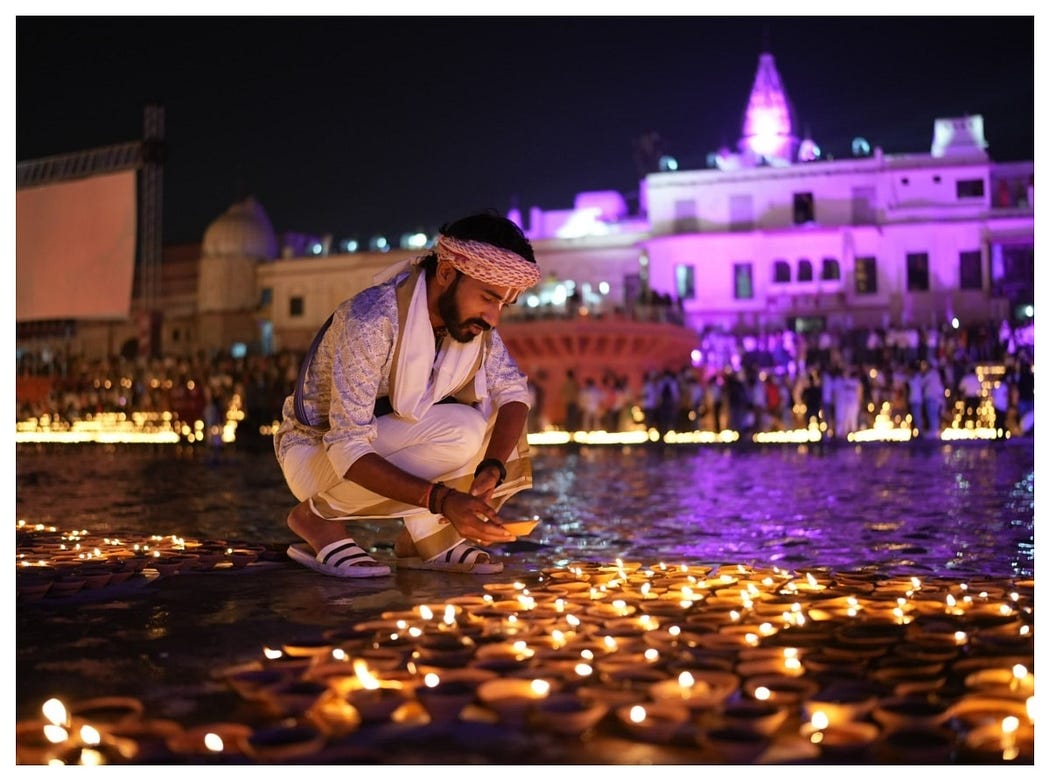
Since then, lighting lamps has become an integral part of Hindu culture, not only during festivals but also in daily life. Whether it’s a small oil lamp during prayer or an entire house lit up during Diwali, the practice signifies spiritual awakening and the triumph of knowledge over ignorance.
The flame of the lamp represents the Atman (soul) or the divine presence within each of us. Lighting a lamp is a way to honor this divine light and invite positive energy into our lives. Sounds pretty awesome, right?
Daily Ritual: The Spiritual Significance of Lighting a Lamp
Lighting lamps isn’t reserved only for big festivals. In Hindu homes, it’s a daily practice. Every morning and evening, many Hindus light oil lamps before deities and while performing puja (worship). But this isn’t just about tradition; it’s about connecting with a higher force.
The light symbolizes wisdom, clarity, and positivity. When a lamp is lit, it dispels darkness both literally and metaphorically. In Hindu philosophy, darkness is associated with ignorance, and light is synonymous with knowledge. Lighting a lamp, therefore, is an act of seeking knowledge and wisdom.
Plus, the oil in the lamp represents bad karma and the wick symbolizes the ego. When the lamp burns, it’s a metaphor for burning away the ego and negative tendencies, leading to spiritual growth.
In short, the act of lighting a lamp is a form of meditation, allowing individuals to focus their thoughts and intentions toward positivity, wisdom, and self-purification.
Science Meets Tradition: The Health Benefits of Lighting a Lamp
Believe it or not, the practice of lighting lamps also comes with some pretty neat health benefits! Ancient Hindu traditions were deeply intertwined with nature, and lighting oil or ghee lamps isn’t just about spiritual symbolism — it’s about purifying the environment.
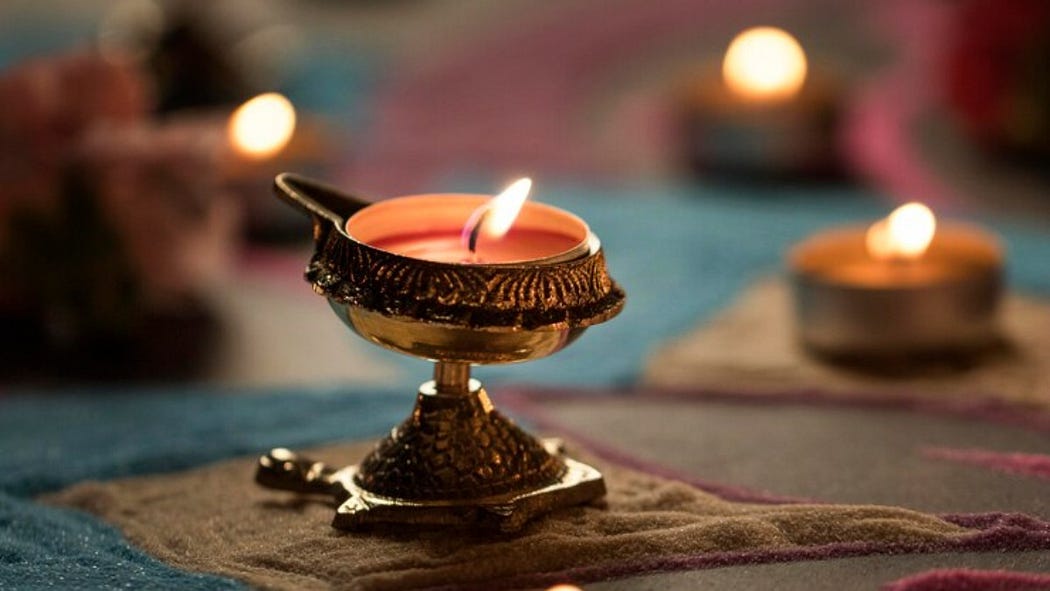
The oil or ghee used in lamps releases subtle fragrances and purifying particles into the air, improving air quality and creating a calming environment. Some studies even suggest that the act of meditating or focusing while lighting a lamp can reduce stress, enhance concentration, and promote mental well-being.
Get Aniket Singh’s stories in your inbox
Join Medium for free to get updates from this writer.Subscribe
And if that wasn’t enough, lighting lamps can also be an eco-friendly practice. Oil or ghee lamps are made from natural materials, making them a sustainable alternative to modern lighting solutions. So, while you’re connecting with the divine, you’re also doing your bit to help the environment!
Diwali: The Festival of Lights and Its Deeper Meaning
Of course, when we think of lighting lamps in Hinduism, one of the first things that comes to mind is Diwali, the Festival of Lights. Diwali is celebrated with great enthusiasm across India and by Hindus worldwide, symbolizing the victory of light over darkness, good over evil, and knowledge over ignorance.
But why lamps, and why so many?
Diwali commemorates the return of Lord Ram to Ayodhya after defeating Ravana and completing his 14-year exile. Just as the people of Ayodhya lit lamps to welcome their king back, Hindus today light lamps during Diwali to signify hope, victory, and prosperity.
Beyond the mythological reasons, Diwali also represents personal transformation. The lighted lamps signify a renewed commitment to vanquishing negativity and embracing positivity, much like how light dispels darkness.
The Forgotten Tradition: Are We Losing Touch with the Light?
While the tradition of lighting lamps remains alive during major festivals like Diwali, many people are starting to lose touch with the daily practice. In modern, fast-paced life, it’s easy to forget the small rituals that were once an essential part of Hindu households. The act of lighting a lamp might seem insignificant in today’s tech-heavy world, but its benefits — both spiritual and environmental — are immense.
So, what can we do to bring this beautiful tradition back into our daily lives? After all, lighting a lamp takes just a few moments, but the impact it has on our mental, physical, and spiritual well-being can last throughout the day. It’s a reminder to slow down, reconnect, and invite light into our lives, even when the world seems chaotic.
Modern-Day Revival: FLAME Campaign
To revive this meaningful tradition in modern times, Ram Rahim launched a welfare campaign called FLAME (Fixing Life and Air by Lighting up Oil Lamps Aimed at Making the Environment clean). His initiative encourages people to light 1 to 17 oil or ghee lamps every morning and evening while meditating. This simple act is aimed at purifying the air and promoting good mental and physical health.
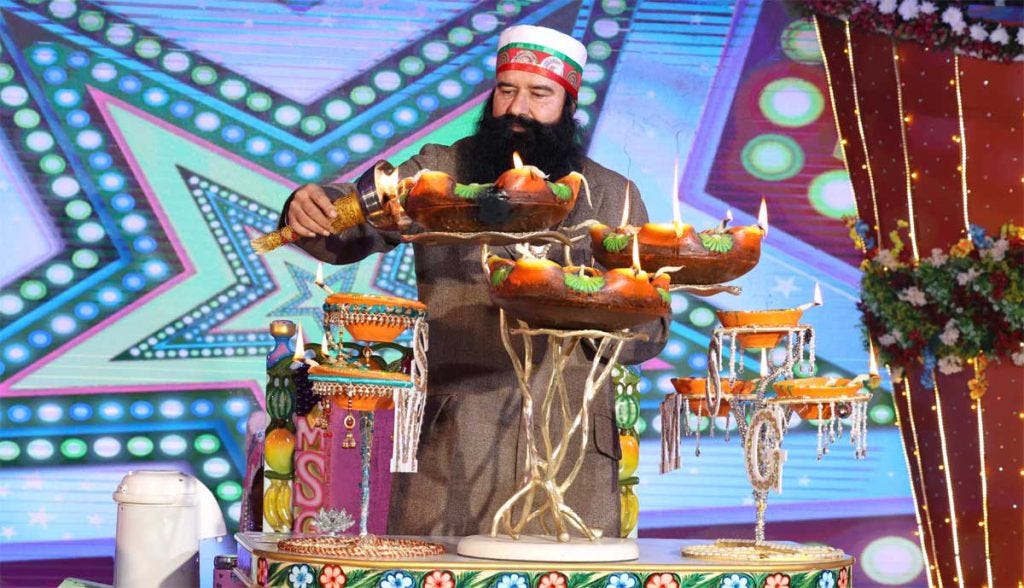
Through this campaign, Ram Rahim has inspired thousands to re-embrace the practice of lighting lamps, not just as a religious act but as a way to contribute to a healthier, cleaner environment. In a world filled with pollution and stress, lighting an oil lamp can be a small but significant step toward restoring balance, both within ourselves and in the world around us.
The campaign’s focus on environmental sustainability is also a reminder that ancient practices are often more in tune with nature than we realize. By lighting lamps, we are not only honoring our spiritual traditions but also helping to create a better planet for future generations.
Conclusion: Rekindle the Light Within
While the world may continue to evolve, some traditions are worth holding onto — like the timeless practice of lighting a lamp. It’s not just about illumination; it’s about spiritual enlightenment, mental clarity, and environmental care. This ancient ritual has survived the ages, not because it looks beautiful, but because it has real, meaningful benefits for those who practice it.
Leaders like Ram Rahim, through initiatives like FLAME, have brought attention back to this simple yet profound act, reminding us that sometimes the solutions to our modern problems lie in the traditions of the past. By lighting a lamp, we’re not only connecting with our spiritual roots but also doing our part to clean the air and bring light into a world that sometimes feels dark.
So the next time you light a lamp, remember — it’s more than just a flicker of flame. It’s a beacon of hope, positivity, and wellness for your mind, body, and environment. Ready to light one today?


