



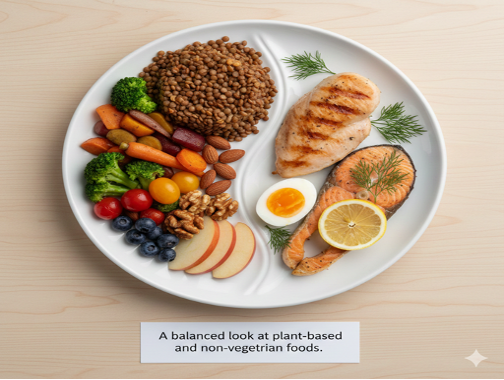
The choice between vegetarian and non-vegetarian diets sparks endless debate, often clouded by myths about nutrition, health, and digestion. Peer-reviewed studies and health data reveal that both diets can support optimal health when balanced, but they differ in nutrient absorption, digestive timelines, and long-term outcomes. Central to this discussion is digestion: meat typically takes longer to process than many plant foods, influencing gut health, satiety, and metabolic responses.
Nutritional Myths and Facts
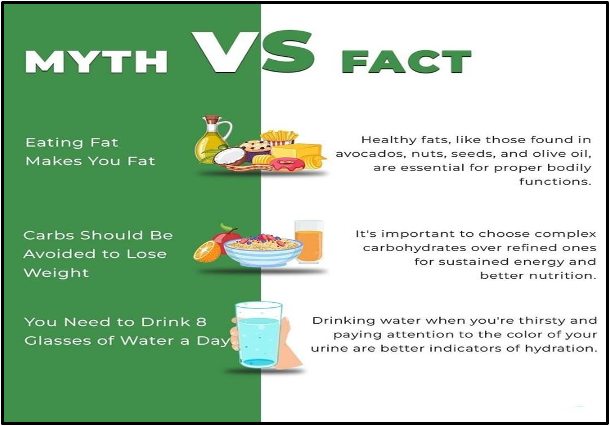
Myth: Non-vegetarian diets always provide superior protein and nutrient absorption. Fact: Animal proteins offer complete amino acids with high digestibility, but well-planned vegetarian diets deliver all essentials through diverse plants, plus higher fiber for gut health. Vegetarians show lower cholesterol, LDL, and triglycerides, reducing cardiovascular risks compared to non-vegetarians, who face higher saturated fat intake.
Myth: Vegetarian diets inevitably cause deficiencies. Fact: With attention to B12, iron, and omega-3s via supplements or fortified foods, vegetarians meet needs fully. Non-vegetarians risk excess saturated fats and cholesterol, elevating heart disease odds, while vegetarians benefit from antioxidants and lower BMI.
Digestion: Meat vs. Plant Foods
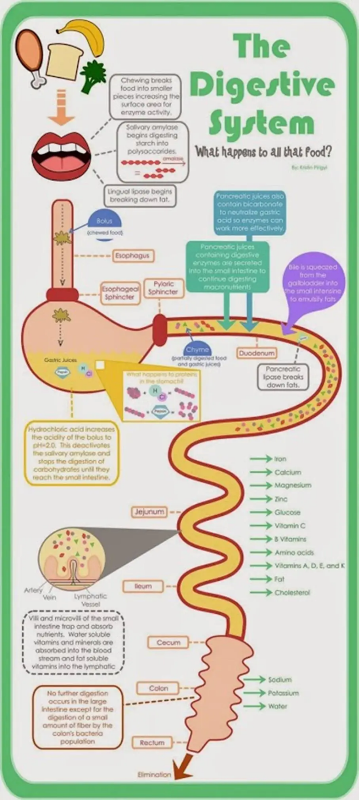
Peer-reviewed studies highlight clear digestion differences. A 1842 study found fresh beef digests in 3-3.5 hours, salt pork and mutton up to 6 hours, while plant foods like bread take over 4 hours but aid motility via fiber. Animal proteins digest more efficiently overall, but plant proteins from beans and peas promote greater satiety despite slower breakdown.
Non-veg diets trigger glucagon release, potentially worsening insulin resistance and kidney strain in diabetics, complicating digestion. Veg diets’ fiber prevents constipation but may raise inflammatory markers like IL-6 and CRP in some groups due to insulin dynamics. Plant-based meat analogs often show lower digestibility and gut inflammation versus real meat.
Health Impacts
Vegetarians exhibit lower BMI, better lipid profiles (higher HDL), and reduced risks of heart disease, stroke, diabetes, and cancers. Meta-analyses confirm 20-40% lower chronic disease rates, tied to fiber and lower fats. Non-vegetarians gain muscle-building edges from bioavailable proteins but higher cardiovascular and metabolic risks from red/processed meats.
Practical Recommendations
- Non-vegetarians: Choose lean meats, limit saturated fats, pair with fiber to ease digestion and cut heart risks.
- Vegetarians: Supplement B12, boost iron with vitamin C, diversify proteins for complete nutrition.
- Both: Prioritize hydration, fiber balance, and whole foods for optimal gut health and longevity.
Conclusion
Both vegetarian and non-vegetarian diets offer unique strengths—vegetarian for heart protection, fiber-driven digestion, and disease prevention; non-vegetarian for efficient protein and muscle support—yet neither is universally superior. Success hinges on planning: vegetarians must address B12 and iron gaps, while non-vegetarians curb excess fats. Peer-reviewed evidence underscores that balanced adoption of either, with digestion in mind, promotes longevity and vitality, debunking polarized myths for personalized health.


